
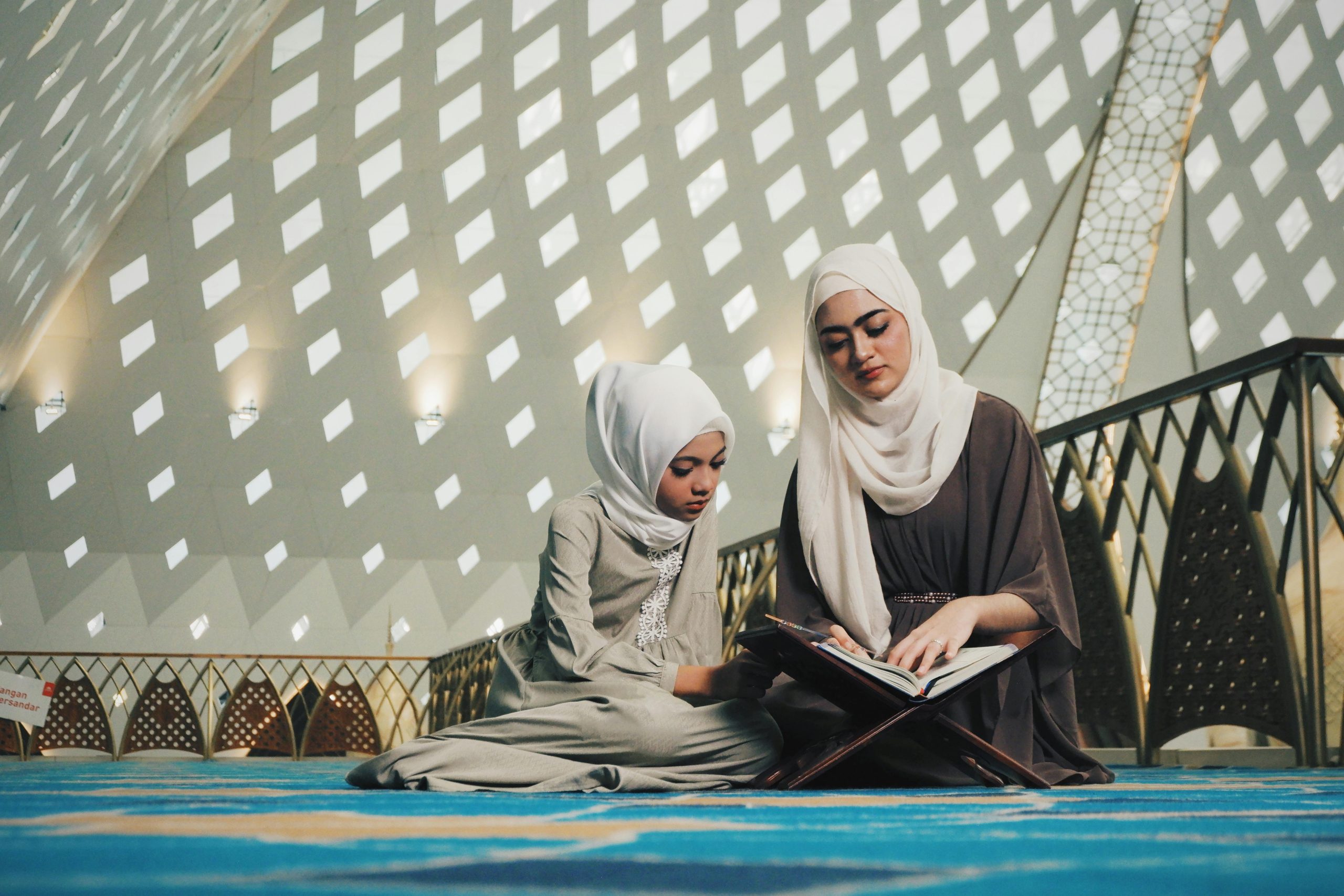
The course Faith and Humanity is designed in response to the realities of contemporary life, where speed, productivity, and constant demands shape the daily experiences of students. University life today unfolds within tight academic schedules, performance targets, digital notifications, social expectations, and algorithmic pressures that rarely allow space for pause or reflection. In such a context, many individuals continue moving forward without ever asking a fundamental question: Where is my life actually heading? Is all this activity leading toward meaning, or merely sustaining motion without direction?
This course does not begin with rigid definitions of faith, moral prescriptions, or symbolic religiosity. Instead, Faith and Humanity starts from a basic yet profound awareness: human beings are meaning-seeking creatures. Beyond studying, working, and achieving, humans possess the capacity to reflect, to question purpose, and to evaluate the values that underlie their choices. Faith is explored within this existential space—not as a burden or an inherited label, but as a conscious orientation that gives direction, depth, and coherence to human life.
Within the Islamic tradition, faith (iman) is not understood merely as ritual observance or religious identity. Rather, it is a way of life that shapes how individuals think, feel, and act. Faith functions as a foundational worldview that informs ethical decision-making, emotional regulation, social relationships, and responsibility toward others and the wider world. In this sense, faith is not confined to sacred moments or private belief, but is continuously expressed in everyday practices: honesty in learning, integrity in work, dignity in relationships, and care in the use of technology.
This course is also shaped by an awareness of the specific challenges faced by today’s generations. Students navigate identity uncertainty, social comparison amplified by digital platforms, anxiety about an unpredictable future, and value confusion amid competing narratives. Faith is often perceived in polarized ways—either as something rigid and oppressive, or as something irrelevant to modern life. Faith and Humanity seeks to move beyond this dichotomy by presenting faith as a source of inner resilience, ethical clarity, and grounded hope. Faith here is not positioned as moral pressure, but as a stabilizing compass that supports psychological well-being and meaningful engagement with life.
Importantly, this course is not intended as a space of indoctrination. It is designed as a safe, reflective, and dialogical learning environment. Students are not expected to arrive with certainty or perfection, nor are they required to adopt predetermined conclusions. Doubt, questioning, and critical reflection are recognized as integral to intellectual and spiritual growth. Within Islamic thought, mature faith does not emerge from unexamined habit, but from conscious engagement, lived experience, and honest reflection. Asking difficult questions is therefore not treated as a threat to faith, but as part of its development.
Faith is inseparable from humanity. A healthy understanding of faith does not produce exclusion, judgment, or dehumanization. Instead, it affirms human dignity, nurtures empathy, and demands ethical responsibility. For this reason, the course deliberately connects faith to concrete human concerns: social relationships, mental health, the body and gender, diversity, justice, digital life, environmental responsibility, and social contribution. Faith is examined not as an abstract doctrine, but as a lived force that shapes how individuals relate to themselves, to others, and to society.
As part of the Muhammadiyah–‘Aisyiyah higher education tradition, Faith and Humanity also frames faith as an engine of progress. Faith is not positioned as an obstacle to reason, science, or change, but as a moral energy that encourages critical thinking, ethical action, and constructive engagement with the modern world. The vision of faith promoted in this course is one that is conscious, reflective, socially responsible, and oriented toward the common good.
Ultimately, Faith and Humanity invites students to see faith not as a course to be completed, but as a lifelong project. Faith is approached as a dynamic process that evolves through learning, struggle, failure, and growth. By grounding their lives in consciously chosen values, students are encouraged to navigate their academic journeys and future careers with integrity, purpose, and responsibility. Through this course, faith becomes not merely something one claims, but something one lives—ethically, reflectively, and humanely.